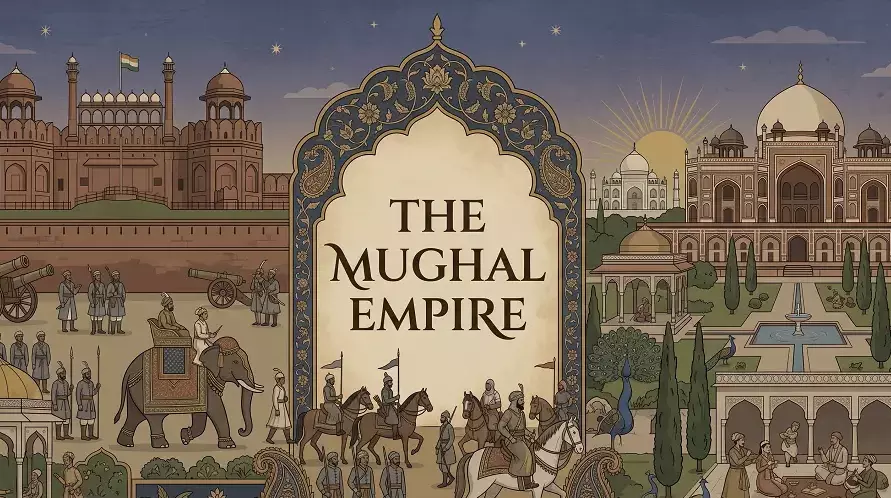
Welcome to an in-depth exploration of the Mughal Empire, a pivotal era in the history of India, known for its rich cultural contributions, monumental architecture, and profound influence on the fabric of modern Indian society. From the 16th to the 19th century, the Mughal Empire defined much of India's history, leaving behind a legacy that continues to be celebrated across the world.
The Dawn of the Mughal Era
The Mughal Empire began with the ascendancy of Babur in 1526, after his victory at the Battle of Panipat. Originating from the Fergana Valley, Babur was a descendant of both Timur and Genghis Khan. His establishment of the empire marked the beginning of a dynastic rule that would transform the landscape of the Indian subcontinent.
Architectural Splendor and Artistic Flourish
One of the most enduring legacies of the Mughal Empire is its architecture. The Mughals were patrons of the arts, and their reign heralded a golden age of achievement. Iconic structures such as the Taj Mahal, the Red Fort, and Humayun's Tomb are hallmark examples, characterized by large domes, spacious halls, and intricate decorations. They also excelled in painting and literature, blending Persian and Indian styles.
Expansion and Administration
At its zenith under Emperor Akbar, the Mughal Empire expanded to cover most of the Indian subcontinent. Akbar's administration was notable for its innovative policies, including religious tolerance and the establishment of an efficient bureaucracy. This period also saw the implementation of a land revenue system that became a cornerstone of the administrative framework.
Culture and Society
The Mughal Empire was a melting pot of cultures, thanks to its diverse population and inclusive policies. The court was a center of cultural confluence, witnessing the synthesis of Hindu and Muslim traditions. The societal structure was complex, with a hierarchy that was both feudal and bureaucratic in nature.
Decline and Legacy
The decline of the Mughal Empire began in the early 18th century, precipitated by internal strife and external pressures from rising powers. Despite its decline, the legacy of the Mughal Empire continues to influence India in various realms, including cuisine, language, and cultural practices, underscoring its profound impact.
Conclusion
The Mughal Empire remains a symbol of cultural and historical richness in India. Its contributions to architecture, art, and society are integral to understanding the historical dynamics of the region. The empire's complex legacy is a testament to the sophisticated administration and vibrant cultural synthesis that characterized its rule.