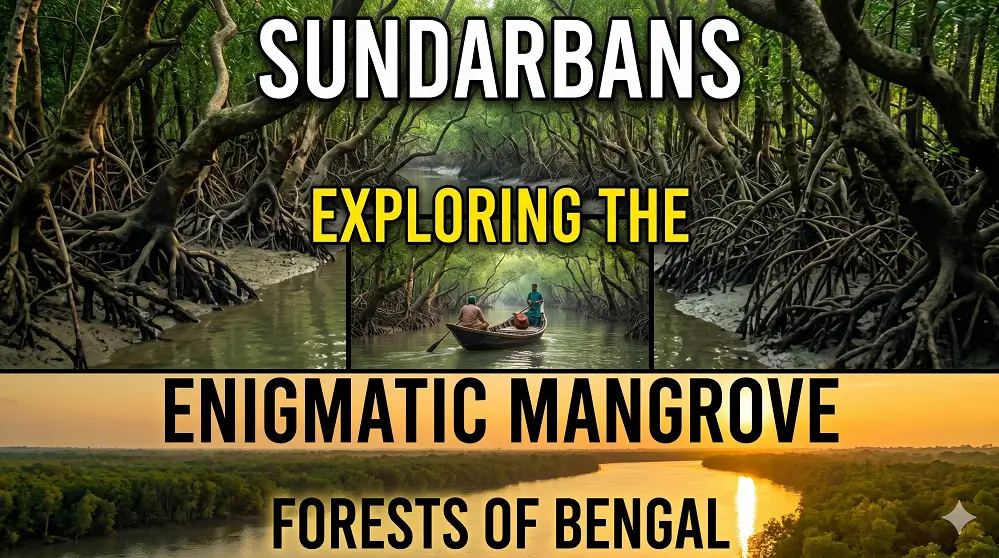
Step into the enchanting realm of the Sundarbans, a labyrinth of mangrove forests and tidal waterways that stretches across the delta of the Ganges, Brahmaputra, and Meghna rivers in the Bay of Bengal. This UNESCO World Heritage Site is a vibrant tapestry of life, myth, and legend.
A Natural Wonder of the Delta
The Sundarbans is the largest mangrove forest in the world, covering approximately 10,000 square kilometers across India and Bangladesh. Its name translates to "beautiful forest" in Bengali, perfectly describing its lush greenery and winding tidal creeks.
A Biodiversity Hotspot
The forest is home to the iconic Royal Bengal tiger, saltwater crocodiles, and Irrawaddy dolphins. Its mangrove ecosystems serve as vital nurseries for countless species of fish and birds, making it one of the most biologically diverse regions on our planet.
Cultural Heritage and Folklore
For centuries, indigenous communities have lived in harmony with the forest. Their lives are intricately connected to the tides, giving rise to unique cultural traditions and folklore inspired by both the natural wonders and the inherent dangers of the wild.
Challenges and Conservation
Today, the Sundarbans face threats from rising sea levels and severer cyclones caused by climate change. Conservation efforts led by local communities and global NGOs are essential to protecting this fragile legacy and ensuring the forest continues to act as a natural barrier against storms.
Conclusion
The Sundarbans is a place of wonder where the forest and the sea meet. By embracing its natural beauty and protecting its ecosystems, we preserve a global treasure that serves as a beacon of resilience and biodiversity in an ever-changing world.